


More South Africans are turning to informal income opportunities as unemployment and the cost of living continue to rise. The informal economy remains a major source of survival income across developing countries, as highlighted by the International Labour Organization – Informal Economy. The key advantage is that many of these side hustles require no startup capital, just basic tools like a smartphone, skills, and consistency.
- WhatsApp Reselling Business
WhatsApp reselling is one of the simplest ways to start earning without buying stock upfront. You work as a middle agent between suppliers and customers by posting product images on WhatsApp Status or groups, taking orders, and forwarding them to suppliers for fulfilment. This model works well because it removes financial risk and allows you to earn from your first sale if you can build trust and consistency. It is widely aligned with micro-trading models supported by organisations like Small Enterprise Development Agency (SEDA), which encourages low-barrier entry into entrepreneurship.
- Find suppliers (Facebook Marketplace or wholesalers)
- Post product images on WhatsApp Status
- Take customer orders
- Add a markup for profit
- Cleaning & Household Services
Cleaning services are always in demand, especially in busy households where people have limited time. You can start offering services such as house cleaning, laundry assistance, yard cleaning, or running errands for neighbours. This type of work requires no formal training and can be started immediately within your community. According to South African Government – Small Business Support, community-based services are a key part of informal job creation and local economic participation.
- House cleaning
- Laundry help
- Yard cleaning
- Grocery or errand running

- Tutoring School Learners
Tutoring is a strong income opportunity if you have good knowledge of school subjects like Maths, English, or Science. Parents are often willing to pay for extra lessons to help their children improve academically, especially during exam periods. Sessions can be done at home, in community spaces, or online through WhatsApp or Zoom. Programmes such as those supported by the SAB Foundation Entrepreneurship Programmes highlight education-based micro-businesses as powerful income builders.
- Maths tutoring
- English tutoring
- Reading and writing support
- Exam preparation classes
- CV Writing & Typing Services
Many job seekers struggle with writing professional CVs and completing job applications, creating a strong demand for simple digital services. If you have basic phone or computer skills, you can offer CV writing, formatting, and typing services. You can also assist with cover letters and online job applications, which are essential for unemployed individuals trying to enter the job market. According to , digital micro-services are rapidly growing due to unemployment and the need for job readiness support.
- CV writing and updates
- Cover letter creation
- Typing services
- Job application assistance
- Home-Based Food Business
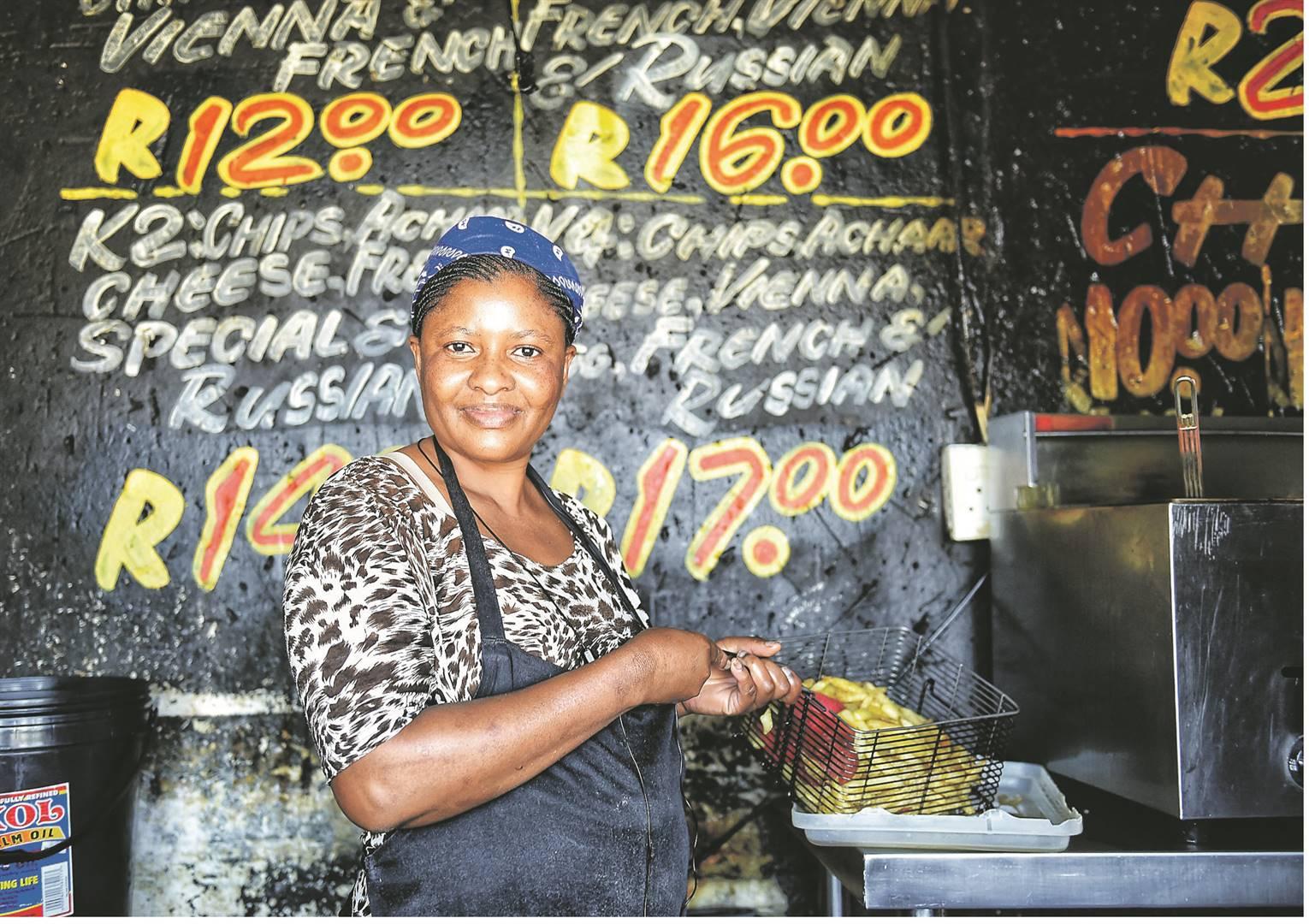
Food businesses remain one of the most reliable informal income streams because demand is constant. If you can cook, you can start selling items like vetkoek, burgers, sandwiches, or lunch packs to neighbours, students, or workers. Orders can be managed through WhatsApp, and delivery can be done locally. The South African Government – Business Support recognises informal food trading as a key survival sector that supports millions of households.
- Vetkoek (amagwinya)
- Burgers and sandwiches
- Lunch packs
- Local deliveries
- Social Media Management for Small Businesses
Many small businesses know they need an online presence but lack the skills to manage social media effectively. You can offer services such as posting content, uploading product photos, writing captions, and responding to customer messages. This side hustle requires only a smartphone and creativity. The SAB Foundation Entrepreneurship Support identifies digital skills as a major driver of youth entrepreneurship and income growth.
- Creating social media posts
- Writing captions
- Uploading product photos
- Responding to customers
- Recycling & Waste Collection
Recycling is a simple but effective way to earn money by collecting materials that others discard. You can gather items such as plastic bottles, cardboard boxes, and scrap metal, then sell them to recycling centres or buy-back stations. While income depends on consistency and volume, it can grow steadily over time. The International Labour Organization – Informal Economy notes that waste recovery is a common informal income source globally.
- Plastic bottles
- Cardboard boxes
- Scrap metal
- Aluminium cans
- Babysitting & Childcare Services
Babysitting is a trust-based service that can easily start within your community. Parents often need help with child supervision after school, on weekends, or during working hours. You may also assist with homework or general care depending on your experience. This type of work grows through referrals and trust over time and is widely recognised as part of informal community-based employment under frameworks like.
- After-school babysitting
- Weekend childcare
- Homework assistance
- Short-term supervision
Side hustles in South Africa are less about capital and more about action, consistency, and trust. As highlighted by micro-enterprises continue to be one of the strongest pathways to income creation in low-income communities. The most important step is to start small, stay consistent, and reinvest your earnings to grow.

