


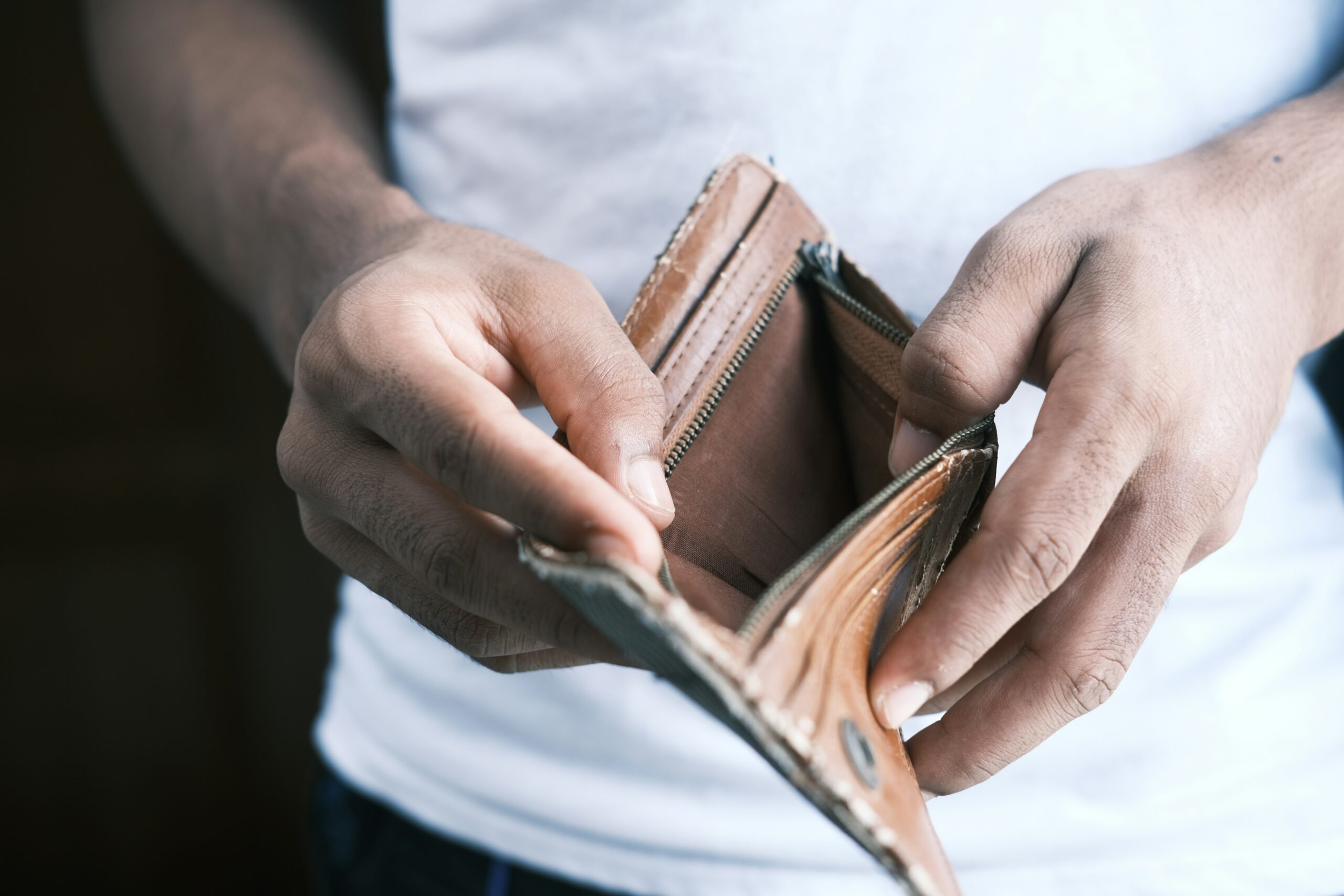

This Black Friday, the smartest saving might be protecting your own budget. Buy Now, Pay Later deals can seem harmless, but they often create hidden financial strain if used carelessly – here’s how to shop responsibly and avoid festive debt traps.
Black Friday promises big savings, but for many South Africans, it also brings financial pressure, impulse buying and the temptation to use Buy Now, Pay Later (BNPL) services to secure deals they hadn’t planned for. While these tools may seem harmless, BNPL can create serious financial strain if not used responsibly.
Spokesperson for short-term loan provider, Wonga, Tina Manyanya, warns that the combination of discounted prices and delayed payments can lead consumers into commitments they’re not ready for. “Black Friday creates enormous pressure to buy now and think later, but BNPL doesn’t remove the cost; it only delays it. Many consumers underestimate how quickly those instalments pile up, especially when the excitement of the purchase has worn off.”
Before you hit “Checkout”, here’s what you should know.
- Don’t take out BNPL or any credit just to score a deal
Black Friday is built on urgency, limited stock, countdown timers, and ‘today only’ messaging. This environment encourages impulse purchasing, often for items that weren’t part of your budget at all.
“If you didn’t need it yesterday, you probably don’t need it today just because it’s on sale,” says Manyanya, “A discounted item is still too expensive if you can’t comfortably pay for it later.”
- BNPL products are largely unregulated, meaning fewer legal protections
“We see people taking on multiple BNPL deals without realising how over-extended they’ve become. Because the checks are minimal, the responsibility to track affordability falls squarely on the consumer – and many only realise the impact when it’s too late,” Manyanya warns.
Unlike registered credit providers, many BNPL platforms fall outside existing regulation. That means:
- There are minimal or no affordability checks during the application
- Limited visibility into your existing debt due to no credit report assessments
- Unclear recourse for disputes or errors
In addition, a missed payment or an agreement not being honoured will result in the person being handed over to a collection agency, leading to even greater costs due to the agency’s charging fees and general handover collection penalties.
“When a product isn’t regulated, the burden of risk shifts heavily onto the consumer. If a debit order is delayed, disputed or incorrect, your recourse is limited compared to formal credit channels,” Manyanya explains.
This lack of oversight can leave consumers exposed.
- Beware of impulse buying – Pay Later still means pay later
BNPL can make purchases feel “free” in the moment. However, in a few weeks, instalments begin, alongside school fees, transport, food, and rising year-end expenses.
“The danger is that BNPL products make unaffordable items feel within reach, even when they’re not. If you’re relying on a future paycheque to cover it, that’s a warning sign, especially in months filled with other financial commitments,” says Manyanya.
Many shoppers only realise the impact of their spending once the novelty has worn off, but the instalments remain.
- Save up for Black Friday instead of borrowing
The safest way to benefit from Black Friday is to prepare well in advance.
“South Africans underestimate the power of small, consistent savings. Even setting aside R20 or R30 a week gives you more choice and less reliance on last-minute borrowing,” says Manyanya.
If you save for planned purchases, like shoes for a child, an appliance you genuinely need, or a long-delayed repair, you can shop confidently without relying on future income.
- Build (and stick to) a monthly and annual budget
A clear, realistic budget helps you avoid over-committing during sale periods.
“A budget isn’t just a spending plan, it’s a protective tool. When you map out your income and expenses for the entire year, you can immediately see what you can and can’t afford, regardless of the size of the discount,” Manyanya explains.
Black Friday decisions become easier when you can quickly answer: Does this fit into my budget – both now and over the next three months?
If the answer is no, the deal is not worth it.
Smart Black Friday tips from Wonga
To shop safely during one of the year’s most tempting spending periods, keep the following in mind:
- Pause before purchasing – Walk away for 30 minutes before committing.
- Don’t borrow for “wants” – Only consider borrowing for essentials.
- Avoid BNPL for non-essential items – If you didn’t plan for it, skip it.
- Compare prices – Black Friday isn’t always the cheapest.
- Delete saved cards and turn off one-click checkout to reduce impulse buying.
- Set a spending limit and stick to it.
- Expect January expenses – don’t use December income on Black Friday deals.
The bottom line
Black Friday can offer real value, but only when approached with a clear head and a solid plan. BNPL solutions may feel convenient, but they can also mask the actual cost of a purchase.
As Manyanya puts it, “Black Friday shouldn’t leave you financially anxious in the months that follow. The goal is to secure real savings, not create new financial stress.”

