


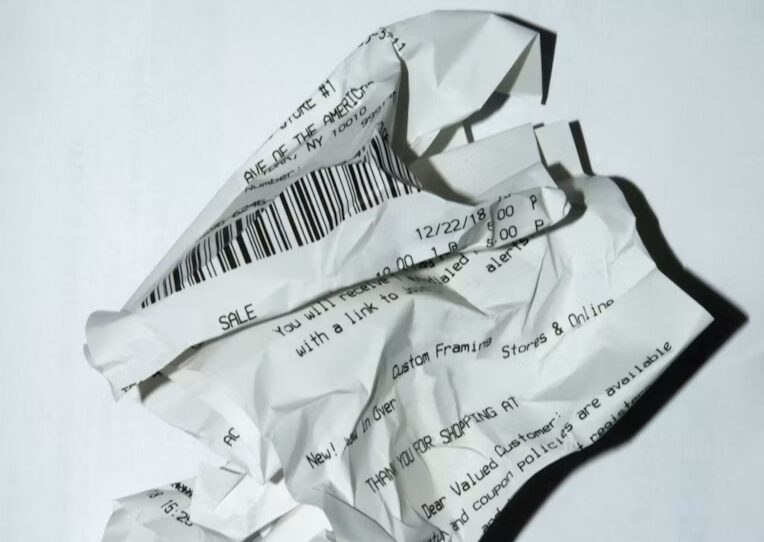

When money is tight, most people look at the big expenses first. Rent, transport, groceries, school costs, loan repayments, and electricity can take a large bite out of a monthly income.
But sometimes your budget is not being attacked by one big expense. It is being nibbled away by a collection of smaller ones. The R30 here, R50 there, and “it’s only R20” purchases can quietly become hundreds of rand by the end of the month.
These are your money leaks. They may not look serious on their own, but put them together and your wallet may start asking some difficult questions.
That Daily Snack is not Always “just R20”
A cold drink and packet of chips on the way to work might cost R25 or R30. It feels harmless, especially when you are hungry and the morning started with a taxi that arrived late.
But if you make that purchase every working day, R30 can become around R600 over 20 working days.
The same applies to buying lunch. A R50 takeaway twice a week can easily become R400 or more a month. You do not have to stop buying lunch altogether, but knowing what the habit costs can help you decide when it is worth it.
Sometimes the problem is not the kota. It is the fact that the kota has become a permanent employee on your monthly budget.
Check Those Bank Fees
Bank fees are another expense that can disappear from your account without making much noise.
You may be paying for transactions, cash withdrawals or other services without paying much attention to the amount. A small fee might not bother you when you see it once, but several charges every month can add up.
Go through your bank statement and look at what you are actually being charged for. If you are regularly paying for services you do not use, ask your bank whether there is a cheaper account or another way to transact.
Your bank statement can sometimes tell you more about your spending habits than your memory does.
Your Airtime and Data Can Also Leak Money
For many people, airtime and data are necessities rather than luxuries. The problem can come when you keep buying small amounts because you have run out.
You might buy R30 of data, then another R20 a few days later and another R50 when the month is almost over. None of the purchases seems particularly painful, but by the time payday arrives, you may have spent much more than you realised.
Look at how much data and airtime you normally use in a month and compare the available bundles and packages. The cheapest option is not always the biggest bundle. Buying more data than you can use is another way of spending money unnecessarily.
The “Quick Stop” at the Shop
You went into the shop for bread.
Then you remembered the milk.
Then you saw the cold drink.
Then there were snacks at the till.
Suddenly the R40 you planned to spend has become R85.
This happens because convenience shops and supermarkets make it easy to add one small item after another. If you are already doing a grocery shop, making a list and sticking to it can help prevent the “I am only buying one thing” trap.
That one thing has a habit of bringing friends.
Subscriptions you Forgot About
Subscriptions are another common money leak because they often happen automatically.
Maybe you signed up for a streaming service to watch one particular show. The show ended months ago, but the subscription is still happily collecting its monthly payment.
The same can happen with music services, apps, cloud storage, gaming subscriptions or gym memberships.
Go through your bank statement and debit orders and ask yourself: “Did I use this during the past month?”
If the answer is no, ask whether you really need to keep paying for it.
Convenience Comes with a Price
Ordering food through an app can save time, especially after a long day at work. But that convenience can cost more than the meal itself.
A meal advertised at R100 may become R130 or R150 once delivery and other charges are added.
The occasional order may not be a problem. But if you are ordering several times a month, check how much those extra charges are costing you.
Sometimes the cheapest delivery is the one that does not happen.
Be careful where you Withdraw Cash
When you need cash, the closest ATM can look like the obvious choice. But depending on your bank account and the ATM you use, you may pay a fee for the withdrawal.
If you regularly withdraw small amounts, these charges can add up.
For example, withdrawing R100 today, R200 next week and another R100 later may seem harmless. But if you are also paying fees each time, you are spending money simply to access your own money.
Check your bank’s fee structure and, where possible, plan your cash withdrawals instead of making several small ones.
Small Purchases on Credit Can Become Big Repayments
Putting a R100 or R200 purchase on credit can make it feel easier to afford. The problem comes when several small purchases start joining the same bill.
You may buy groceries on credit before payday, use a store account for clothes, and put another purchase on a credit card. Each amount may look manageable on its own, but together they can put pressure on the next month’s income.
Before using credit, ask whether you need the item immediately and what the total repayment will be. A purchase that looks affordable at R100 a month may cost considerably more by the time all repayments are finished.
Family Spending Counts Too
Not every small expense is unnecessary.
You may send R50 to a family member who needs help, give a child R20 for school or spend R30 on extra transport when plans change. These are real responsibilities and cutting them out is not always an option.
But they still belong in your budget.
If you regularly help family members, for example, it may be better to include a realistic amount for family support in your monthly budget rather than treating every request as an unexpected expense.
The same applies to children. R20 for a school snack may not sound like much, but if it happens every school day, it becomes a monthly expense worth planning for.
Find The Leaks Before They Become a Flood
You do not have to stop enjoying your money to get better control of your budget. The first step is knowing where it is going.
For one month, keep track of the small purchases that normally disappear without much thought. Include snacks, takeaway meals, data, airtime, bank fees, subscriptions, delivery charges, ATM fees, and small family expenses.
At the end of the month, add them together.
You might discover that the problem is not one terrible spending decision. It is a collection of ordinary decisions that have quietly become habits.
Once you know where the money is leaking, you can decide what to reduce, what to cancel, and what is genuinely worth keeping.
The goal is not to turn your life into a spreadsheet where every R5 needs permission to exist. It is simply to make sure that your money is going towards the things that matter most to you, rather than disappearing one small purchase at a time.

