


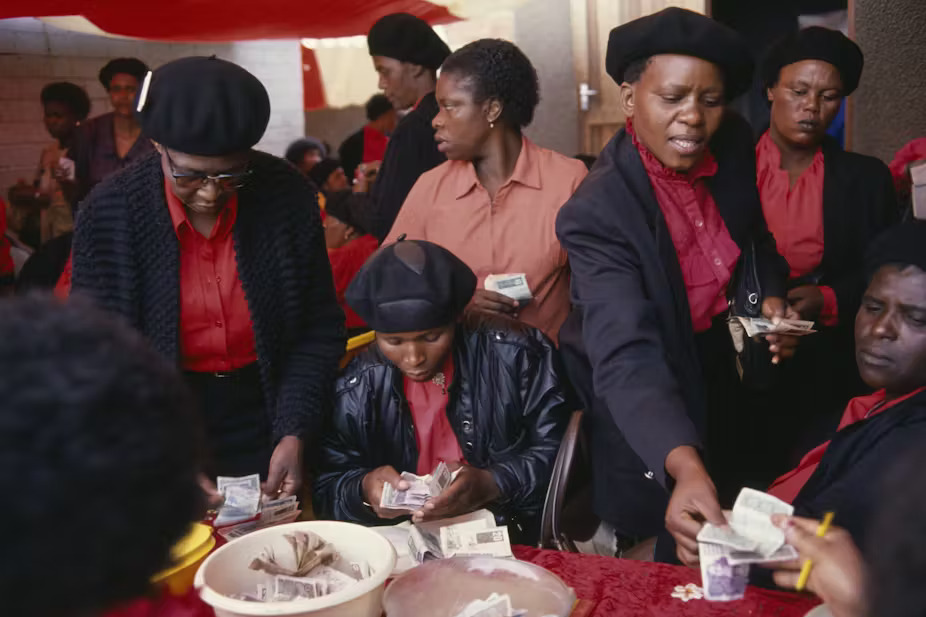

In many South African communities, financial resilience is not built in boardrooms; it’s built in living rooms, churches, and street corners. One of the most enduring examples of this is the burial society stokvel, a community-driven financial system that continues to play a vital role in how people prepare for one of life’s most certain, yet costly, events: death.
What is a Burial Society Stokvel?
A burial society stokvel is a type of savings group where members contribute a fixed amount of money regularly into a shared fund. Unlike other stokvels that rotate payouts among members, this fund is specifically reserved to assist with funeral expenses when a member, or sometimes a close family member, passes away.
Beyond financial contributions, these societies often provide emotional and logistical support, including helping with funeral arrangements, food preparation, and coordination during mourning periods.
Why Burial Societies Are So Common
- The High Cost of Funerals
Funerals in South Africa can be expensive, often costing thousands of rand. For many households, especially those with limited or unstable income, covering these costs alone can be overwhelming. Burial societies provide a practical safety net, ensuring that members are not left financially stranded during a time of grief.
- Limited Access to Formal Insurance
While funeral insurance policies exist, not everyone has access to them. Some individuals may struggle with affordability, strict policy requirements, or a lack of trust in formal financial institutions. Burial societies, on the other hand, are accessible, flexible, and built on personal relationships.
- Cultural Importance of Dignified Burials
In South Africa, funerals carry deep cultural and social significance. A dignified burial is often seen as a sign of respect and honour for the deceased. Burial societies help ensure that members can uphold these traditions without financial strain.
- Strong Sense of Community
At the heart of every burial society is ubuntu, the belief in shared humanity and mutual support. Members are not just contributors; they are a support system. During times of loss, society becomes a network that provides comfort, presence, and practical help.
- Quick and Reliable Support
Unlike formal insurance claims, which can take time to process, burial societies often provide immediate assistance. This speed is crucial, as funeral arrangements typically need to be made within a short period.
- Simplicity and Trust
Burial societies are usually governed by simple, agreed-upon rules. Members know each other, which builds trust and accountability. This simplicity makes them easy to manage and understand, even for those with limited financial literacy.
- The Role of Banks and Formal Financial Institutions
While burial societies are deeply rooted in informal community systems, banks and financial institutions have increasingly recognised their importance. Several major South African banks now offer stokvel and burial society-friendly savings accounts designed to support these groups.
These accounts allow burial societies to:
- Safely store and grow their collective funds with interest
- Improve transparency and financial record-keeping
- Reduce the risk of cash handling within groups
- Access basic financial tools such as statements and digital tracking
This shift has helped bridge the gap between informal community systems and formal banking, giving burial societies more security while still preserving their independence and community-driven structure.
- Where Burial Society Stokvels Are Supported in Practice
While burial societies are rooted in informal community systems, there are several banks and institutions in South Africa that actively support or accommodate their operations, making it easier for groups to manage funds safely and transparently.
Major Banks Supporting Stokvels
- Standard Bank – Offers a dedicated Society Scheme Savings Account designed specifically for stokvels, burial societies, and community groups. These accounts are widely used by burial societies to pool funds securely with structured governance and interest earnings.
- FNB (First National Bank) – Provides a Stokvel Savings Account that allows groups to save collectively with features such as member visibility, signatory controls, and digital access through the banking app.
- Absa – Offers multiple group savings products, including Investment Club Accounts, Grocery Stokvel Accounts, and Travel Club Accounts, which are commonly used by burial societies and savings groups.
- Capitec Bank – Does not market a dedicated stokvel product but is widely used by burial societies through standard savings or business-style accounts, mainly due to its low fees, simplicity, and accessibility for group contributions.
- African Bank – Popular among savings groups for competitive interest-bearing savings products, often used by stokvels looking to grow pooled funds over time.
- TymeBank – A fully digital banking option increasingly used by informal savings groups, especially those operating through WhatsApp-based or remote contributions, due to its low-cost structure and easy account setup.
Community and Support Institutions
- NSBSA (National Stokvel Body of South Africa) – Based in Parktown, Gauteng, this organisation supports stokvel structures by offering guidance, funeral cover options, and member benefits such as loyalty programmes and financial inclusion tools.
Everyday Places That Support Stokvel Activity
Beyond banks, burial societies also rely heavily on accessible physical points for deposits and contributions, such as:
- Bank branches nationwide (especially in township and suburban hubs)
- Retail money services counters in major supermarkets
- Community halls, churches, and meeting spaces where contributions are collected and managed
These access points make it easier for members, especially those without digital banking, to participate consistently in the system.
More Than Just Money
While financial assistance is a key function, burial society stokvels offer something deeper: dignity, solidarity, and peace of mind. They reflect a collective approach to hardship, where the burden is shared, and no one has to face loss alone.
A System That Endures
Despite the growth of formal financial services, burial societies remain widespread across South Africa. Their continued relevance lies in their ability to adapt to community needs while preserving cultural values and human connection.
In an uncertain economic environment, burial society stokvels stand as a reminder that sometimes, the most effective solutions are those rooted in trust, tradition, and togetherness

