


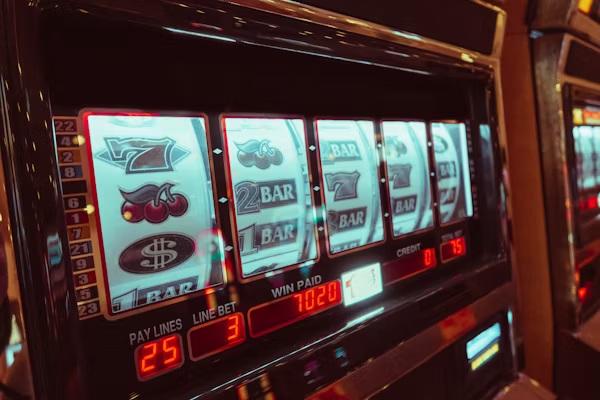

It starts the same way for a lot of people. It’s the 25th of the month, the salary has just landed, and someone pulls out their phone. Just a quick bet. A small prediction on soccer. A spin on a casino app. Just this once.
But by month-end, the rent money is short. The groceries didn’t stretch. And instead of stopping, the urge kicks in harder because now there’s something to win back. This is the quiet crisis playing out in lounge rooms, lunch breaks, and late-night phone screens across South Africa right now.
Why are so many South Africans turning to gambling right now
With unemployment high, load shedding stretching budgets, and the cost of living climbing every month, a lot of households are under real pressure. When you’re already stretched thin, the idea of a quick win feels less like entertainment and more like a lifeline.
That emotional context matters, and gambling companies know it too. The ads are everywhere: on SuperSport during the PSL, on Instagram and TikTok, plastered on team jerseys. They’re designed to make betting feel normal, fun, even smart. Something everybody does. Something you’d be silly to miss out on.
Wages meant for rent and school fees are being redirected into betting accounts, with the simple, devastating hope of winning it all back.
Financial counsellors around the country are reporting something they’ve been seeing more and more: people arriving after payday who have already gambled their entire salary away. Not over weeks. Over days. Sometimes in a single session. The hope is simple: win big enough, once, to fix everything. Unfortunately, that hope most often leads somewhere else entirely, growing debt, missed payments, and fractured families.
The accessibility trap: gambling is now always open
Twenty years ago, if you wanted to gamble in South Africa, you had to drive to a casino. Today, your phone is a casino. It never closes. There’s no walk of shame to the car park, no bouncer at the door. It’s right there at 2 am when you’re stressed, tired, and your judgment is lowest.
This 24/7 accessibility is one of the biggest drivers of problem gambling in the country. Apps are designed deliberately to keep you engaged. Deposit bonuses, free bets, “cashback” offers, and push notifications when your team is about to play. It’s a machine built to bring you back. And for a growing number of South Africans, what started as casual entertainment has quietly become something they can’t control, even when they desperately want to.
Let’s be honest: gambling is not a financial plan
This is worth saying plainly, because the marketing works overtime to blur this line. Gambling is entertainment. Like going to the movies or buying a braai pack, it’s money you spend for an experience, not an investment with a guaranteed return. The odds are always in the house’s favour. That’s not an opinion; it’s mathematics.
Gambling should never be used to cover rent or bond payments, school fees or stationery, groceries or electricity, petrol or transport money, or existing debt repayments.
The moment you’re gambling with money you can’t afford to lose, the entertainment is gone. What’s left is just risk, and the stress that comes with it. South Africa is now one of the largest gambling markets on the African continent, and authorities have responded by introducing a 20% tax on online betting companies in 2025. But regulation on its own won’t protect individuals. That starts with awareness.
How to gamble responsibly if you choose to play
There’s nothing inherently wrong with placing the occasional bet on Bafana Bafana or spinning a few rounds on a casino app, if you go in with clear rules for yourself. Responsible gambling isn’t about never playing. It’s about playing with your eyes open.
Set a tight budget before you start and treat it like an entry fee you won’t get back. Never chase losses, walk away when the budget is gone, every single time, without exception. Only use money you’d spend on entertainment, never salary, credit, or borrowed funds. Set a time limit for each session and honour it, even when you’re on a winning streak. Avoid gambling when stressed, anxious, or financially desperate, as those are the worst conditions for decision-making. Treat any winnings as a bonus, not income you can count on next month.
The rule is simple: only gamble what you can completely lose and still go home fine.
Signs that gambling has become a problem
Problem gambling doesn’t always look dramatic from the outside. It hides in plain sight, in a phone used quietly in another room, in excuses about where money went, in mounting anxiety that never quite gets explained to the people closest to you.
Look out for these warning signs in yourself, or someone you care about: gambling more than planned or finding it hard to stop even when you want to; using money meant for essential expenses like food, rent, or school fees; hiding bets, losses, or gambling activity from a partner or family members; borrowing money from friends, family, or credit to gamble or pay gambling debts; feeling restless, irritable, or anxious when not able to gamble; and chasing losses repeatedly, convinced the very next bet will turn everything around.
If two or more of these feel familiar, it’s worth taking seriously. Problem gambling is a recognised condition, and it responds well to support, but only if you reach out. Asking for help is not a weakness. Suffering in silence is.
Where to get help in South Africa
These resources are free, confidential, and available to anyone struggling with gambling or worried about a loved one.
The National Responsible Gambling Programme (NRGP) offers free counselling and support, available 24 hours a day, 7 days a week, with no cost and no judgment. Call 0800 006 008.
Gamblers Anonymous South Africa provides peer support groups for people affected by gambling addiction, as well as support for their families. Visit ga.org.za.
If gambling debt has built up, a registered debt counsellor can help you restructure repayments legally. Visit nca.org.za to find an accredited counsellor.
If you need to talk right now, the NRGP helpline is free, available around the clock, and completely confidential. You don’t have to give your name. Call 0800 006 008.

