


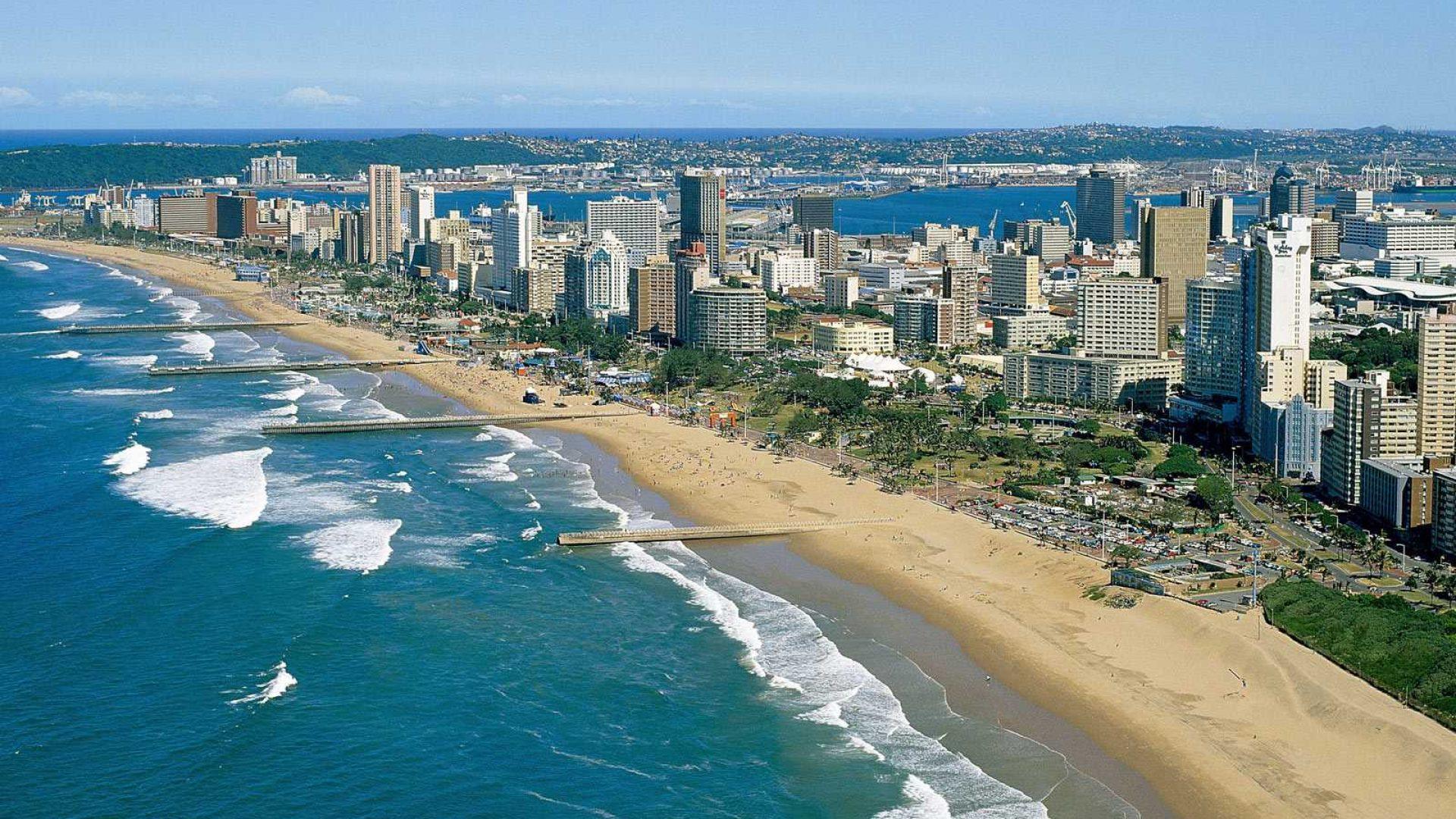

For many South Africans, talk about investment and economic growth can sometimes feel far removed from everyday life. But when new businesses open, construction projects get moving, and companies expand, the potential impact can be felt through something much more practical: jobs and income for households.
That is the picture emerging in eThekwini, where the latest unemployment figures show a significant improvement in the local labour market.
According to Statistics South Africa’s Quarterly Labour Force Survey for the second quarter of 2026, eThekwini recorded an unemployment rate of 21.2% between April and June 2026. This was the lowest official unemployment rate among South Africa’s metropolitan municipalities during the period.
The figure is also a major improvement from the 26.8% recorded in the same quarter of 2025. The latest numbers show that more people in eThekwini are working. The number of employed residents increased by 90,000 year-on-year to about 1.29 million, while the number of unemployed residents fell by 92,000 to 347,000. The city’s employment absorption rate also improved from 44.2% to 46.9%.
In simple terms, this means a larger share of working-age residents are finding employment. However, the numbers should not be mistaken for a solution to unemployment.
More than 340,000 people in eThekwini are still looking for work, according to the municipality. This means there is still considerable pressure on households and communities across Durban and surrounding areas.
At the same time, eThekwini Municipality is trying to make it easier for private investment projects to get off the ground. The municipality is monitoring 20 strategic private investment projects that have faced administrative or regulatory obstacles.
The intervention, led through the Office of the City Manager, is aimed at identifying and resolving these blockages so that projects can move forward and investment can enter the local economy more quickly.
Half of the 20 projects have already been fully resolved. Resolution rates vary across the city’s regions, with the North Central region reaching 100%, the North 86%, the Outer West 67%, and the Central region 25%.
This matters because an investment project does not only involve the company putting money into a development.
A major project can create work for builders, electricians, security companies, transport operators, suppliers, engineers, professional services firms and small businesses. Once completed, it can also create permanent jobs.
For ordinary residents, that can mean more opportunities to earn an income without having to leave their communities.
One of the strongest areas of employment growth in eThekwini has been transport and logistics. Over the nine months leading up to the latest figures, the sector added about 44,000 jobs, accounting for almost all of the growth recorded in the sector across KwaZulu-Natal. Finance and business services added another 25,000 jobs over the same period.
This is particularly important for Durban because of the city’s role as a major transport, logistics and commercial hub.
The movement of goods through the city connects businesses, ports, warehouses, trucks, rail services and consumers. When activity increases across this chain, employment opportunities can increase as well.
The formal economy has also shown growth. Formal-sector employment increased, with eThekwini reporting 948,000 people employed in the formal sector in the second quarter of 2026, up by 32,000 from the previous quarter.
A lower unemployment rate does not immediately mean that every household will feel financially better off. For someone who has been searching for work for months, the bigger question is whether economic growth produces accessible jobs. That is why the city’s efforts to unlock investment are important.
If stalled projects can move forward, they could create opportunities across different parts of the economy. Small businesses can potentially benefit from supplying larger companies, while job seekers may benefit from new construction, operations, logistics, retail, tourism and business-service opportunities.
The municipality has also highlighted infrastructure investment, support for small businesses and stronger partnerships with the private sector as priorities for expanding employment. Despite the improvement, eThekwini’s unemployment challenge remains significant.
The city’s 21.2% unemployment rate is well below South Africa’s national rate of 33.6%, but hundreds of thousands of residents remain unemployed.
For households dealing with rising living costs, debt, transport expenses and the challenge of finding stable work, economic statistics only matter when they eventually translate into better opportunities.
The latest figures therefore offer a reason for cautious optimism rather than celebration. eThekwini has made progress, but the next test will be whether the city’s investment pipeline can continue turning into business activity, new jobs and sustainable income for residents. For Durban, getting 20 strategic projects moving could be another step in that direction.

