

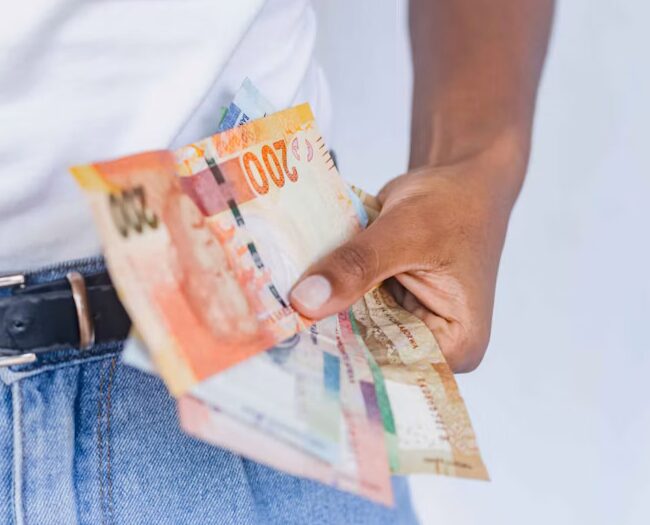

For many South Africans, cash is still part of everyday life. Whether it is paying at a small shop, buying from a street vendor, withdrawing money for transport, or simply keeping a few notes in the wallet for emergencies, physical money remains an important part of how people manage their finances.
But while cash may feel simple and convenient, using it comes with a much bigger price tag than many consumers realise.
A new South African Reserve Bank (SARB) Cost of Cash Research Study estimates that the overall cost of cash in South Africa is about R88.5 billion a year. The study, which uses 2024 as its base year, looks beyond bank charges to include the wider costs involved in producing, moving, accessing, storing and accepting physical cash.
Why Does Cash Cost So Much?
For the average consumer, the first thing that may come to mind is an ATM fee.
But the cost of cash goes much further than the amount shown on an ATM screen.
According to the SARB study, cash creates costs throughout the payment system. Money has to be produced, transported, stored, processed, and distributed before it reaches consumers and businesses.
There are also costs that consumers experience without necessarily thinking of them as a “cash fee”.
For example, someone who has to travel several kilometres to find an ATM is spending money on transport and time to access their own money. Standing in a queue or making an additional trip to withdraw cash also has a cost.
The SARB estimates direct cash-related travel costs at about R12.5 billion, while the indirect cost associated with people’s travel time is estimated at R8.3 billion. Together, these travel-related costs account for a significant share of the overall cost of cash.
Then there are other risks, including cash losses and crime, as well as the costs businesses face when handling physical money.
More than Half of Consumer Transactions are Still Cash
Despite the growth of card payments, mobile banking and other digital payment options, South Africans have not abandoned cash.
The SARB study found that cash accounted for approximately 56% of consumer transactions by volume. Cash continues to be widely used in both the formal and informal economies.
This is particularly important for people who depend on cash for everyday purchases.
A person buying vegetables from a small trader, paying for a service at a local business or using a cash-based informal business may not always have the option of tapping a bank card or using a mobile payment.
For many households, cash also makes budgeting feel more straightforward. Once the money is withdrawn, it is easier to see exactly how much is available for groceries, transport or other expenses.
Cash is Not Disappearing
The growing cost of cash does not mean South Africa is about to become a cashless country.
In fact, the SARB has recognised that cash remains an important part of the country’s payment system.
In June 2026, the central bank outlined its Cash Smart Strategy, which aims to make cash more affordable, accessible, secure and resilient. The strategy is not about simply getting rid of physical money. Instead, it looks at how the cash system can work more efficiently while ensuring that people who depend on cash can still access it.
This matters because reducing the use of cash is not as simple as telling consumers to switch to digital payments.
People need reliable banking services, affordable payment options, access to ATMs or other cash points, and businesses that accept different forms of payment.
What Does This Mean for Consumers?
For households trying to stretch every rand, the cost of accessing cash is worth paying attention to.
An ATM withdrawal fee may look small on its own, but repeated withdrawals, transport costs and time spent accessing cash can add up over the course of a month.
Consumers can therefore look at their own cash habits and ask simple questions: How often am I withdrawing money? Am I travelling far to access an ATM? Am I paying additional fees? Could some payments be made through a cheaper digital option?
At the same time, cash remains a legitimate and important payment method, particularly for consumers and businesses that do not have easy access to digital alternatives.
The bigger issue is making sure South Africans can choose how they pay without unnecessary costs getting in the way.
For now, cash remains firmly embedded in the South African economy. But the latest SARB research shows that the price of using it is much bigger than the ATM fee printed on a receipt.

