


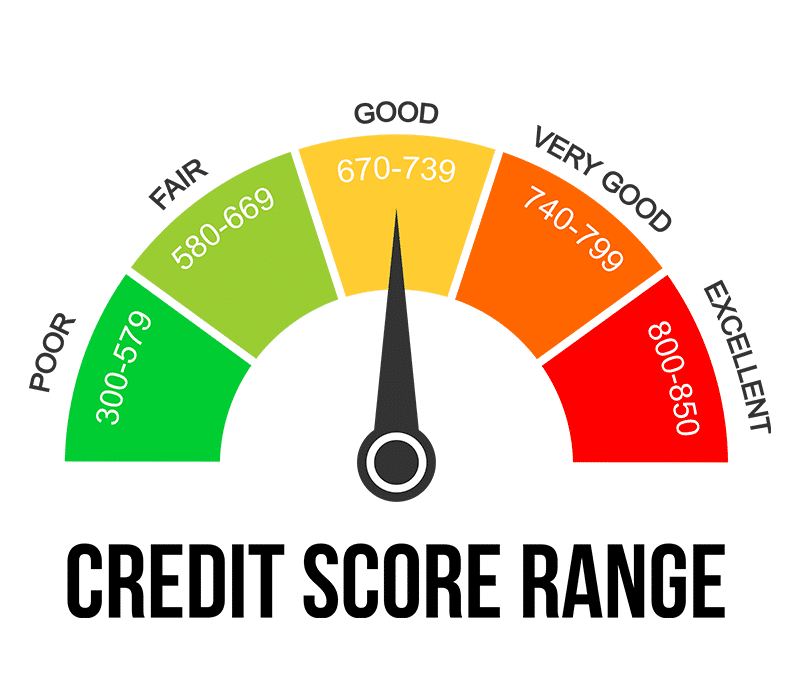

Many South Africans only start thinking about their credit score when they apply for a car loan, home loan, cellphone contract, or personal loan. Unfortunately, by then it may already be too late to fix a poor credit record.
The good news is that building a good credit score isn’t complicated. It simply comes down to borrowing responsibly, paying your accounts on time, and making smart financial decisions over time.
Whether you’re starting your first job, opening your first account, or simply want to improve your financial health, here’s everything you need to know about building a good credit score in South Africa.
Many young South Africans believe that avoiding credit completely is the safest option. While avoiding unnecessary debt is always wise, having no credit history can also make it difficult for lenders to assess you when you eventually need finance.
For example, if you want to buy your first car or apply for a bond one day, lenders may have very little information about how you manage repayments. Building a positive credit history before you need credit can make future applications much smoother.
-
Start Small
You don’t need a large loan to build your credit record. A responsibly managed cellphone contract, store account, or entry-level credit facility can begin creating a positive payment history. The important part isn’t how much you borrow; it’s how well you manage it.
-
Always Pay on Time
This is the single most important factor affecting your credit score. Even one late payment can negatively affect your credit profile. Setting up debit orders or payment reminders can help ensure you never miss a due date. Consistently paying on time shows lenders that you’re reliable.
-
Only Borrow What You Can Afford
Just because a lender approves you for a certain amount doesn’t mean you should use all of it. Only take on debt that comfortably fits within your monthly budget. Responsible borrowing reduces financial stress and helps keep your repayments manageable.
-
Keep Your Credit Balances Low
If you’re using a credit card, try not to max it out every month. Using only a portion of your available credit generally reflects better financial management than constantly borrowing up to your limit.
-
Don’t Apply for Credit Everywhere
It can be tempting to apply at multiple banks or retailers if one application is declined. However, every credit application may be recorded, and making several applications within a short period can make lenders think you’re under financial pressure. Rather, apply only when you genuinely need credit.
-
Check Your Credit Report Regularly
Many South Africans don’t realise they can access their credit information for free through registered credit bureaus.
Checking your report allows you to:
- Spot mistakes
- Identify possible fraud
- Track your progress
- See whether your repayments are being recorded correctly
If you find incorrect information, you can dispute it with the relevant credit bureau for investigation.
Avoid these habits if you want to maintain a healthy credit profile:
- Missing monthly payments
- Paying accounts late
- Borrowing more than you can afford
- Applying for several loans at once
- Ignoring overdue accounts
- Maxing out your credit limits
Remember, improving a damaged credit score doesn’t happen overnight. It takes consistent, responsible financial behaviour over several months. If you’ve struggled financially in the past, your credit score can recover.
Some of the best ways to rebuild your credit include:
- Paying outstanding accounts as agreed
- Avoiding unnecessary new debt
- Catching up on missed payments
- Continuing to make payments on time every month
- Regularly checking your credit report for errors
Patience is key. A stronger credit score is built over time through consistent financial habits rather than quick fixes.
A good credit score is one of the most valuable financial tools you can have. It can make it easier to qualify for loans, secure better interest rates, and access important financial products when you need them. The secret isn’t borrowing more; it’s borrowing wisely.
By paying your accounts on time, keeping your debt manageable, and regularly checking your credit report, you can steadily build a strong credit history that will benefit you for years to come. Good credit isn’t about being wealthy. It’s about showing lenders that you manage your money responsibly, one payment at a time.

