


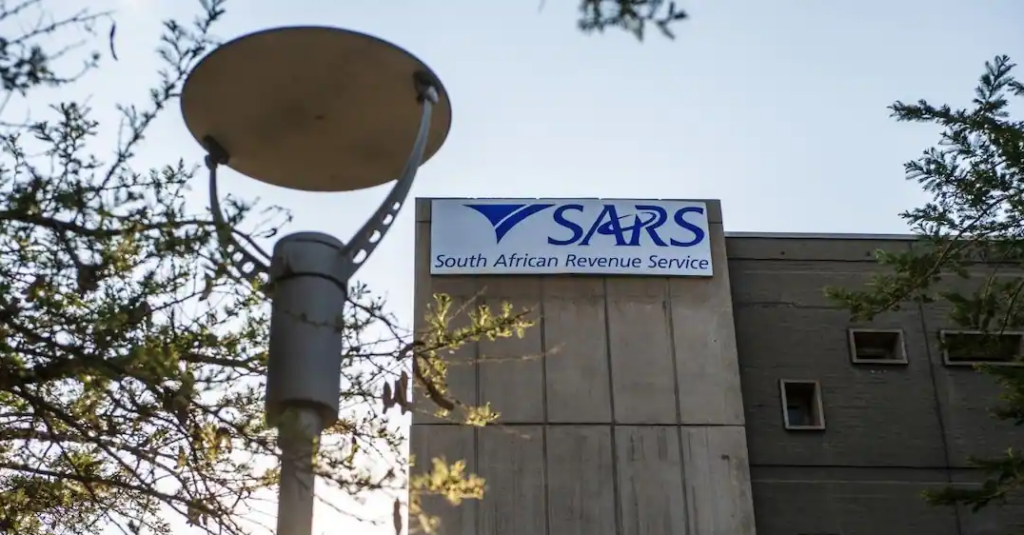

For many South Africans, tax season is one of those annual tasks that often gets pushed to the bottom of the to-do list. But with the South African Revenue Service (SARS) officially announcing the 2026 tax filing season dates and several new improvements to its filing system, this year could be one of the easiest filing seasons yet.
The biggest change is that SARS is continuing its push towards automation, reducing the amount of paperwork and manual capturing required from taxpayers. The aim is simple: make tax filing faster, easier, and less stressful for millions of South Africans.
The 2026 tax filing season officially starts on 1 July 2026, with auto-assessments running until 12 July. Taxpayers who are not auto-assessed can begin submitting their returns from 13 July until 23 October 2026. Provisional taxpayers and trusts have until 22 January 2027 to file their returns.
For salaried employees whose tax affairs are relatively straightforward, SARS may automatically calculate and submit a tax assessment on their behalf. This process uses information collected from employers, banks, medical aid schemes, retirement funds, and other financial institutions. If everything on the assessment is correct, taxpayers do not need to do anything further. Any refund due will be paid automatically, while outstanding amounts owed to SARS must be settled by the specified due date.
However, South Africans should not assume that an auto-assessment means everything is perfect. Taxpayers are still responsible for reviewing the information provided by SARS to ensure all income, deductions, and financial details have been captured correctly. If anything is missing or inaccurate, the taxpayer must amend and submit the return through SARS eFiling or the SARS MobiApp.
One of the most notable improvements for 2026 is the increased use of prefilled information. Certain income streams, including investment-related information, will automatically appear on tax returns, reducing the need for manual data entry. This should significantly cut down on errors and make the filing process quicker for taxpayers.
SARS has also redesigned parts of its Income Tax Return (ITR12) form to make it easier to navigate. The updated system includes simpler questions, clearer wording, and fewer repetitive sections, making the process more user-friendly, especially for first-time filers.
Another major update is the introduction of expanded WhatsApp functionality. Taxpayers who do not regularly use eFiling or email can now receive their Notice of Assessment through WhatsApp. SARS has also enabled taxpayers to access statements, receive documents, and upload supporting information through the messaging platform, bringing tax administration closer to the communication tools many South Africans use daily.
Medical aid members will also benefit from a new dropdown selection system that allows users to choose from approved medical schemes, helping reduce common filing mistakes. SARS has further introduced enhanced residency-related questions to improve compliance and reduce confusion for taxpayers whose residency status may affect their tax obligations.
To minimise delays and verification issues, SARS has introduced a declaration alert questionnaire designed to identify potential problems before a return is submitted. The system is expected to reduce unnecessary audits and verification requests by flagging issues earlier in the filing process.
Before filing, South Africans are strongly encouraged to ensure that their banking details, cellphone numbers, and email addresses are up to date on SARS systems. Incorrect personal information remains one of the most common causes of delayed refunds and processing issues.
For millions of taxpayers across Johannesburg, Cape Town, Durban, Pretoria, Gqeberha, Bloemfontein, and other parts of South Africa, the 2026 tax filing season represents a continued move towards a more digital and streamlined tax system. While SARS is doing more of the work behind the scenes, taxpayers still have an important role to play by checking their information carefully and meeting the relevant deadlines.
With auto-assessments becoming more accurate, additional prefilled data available, and new digital tools now accessible through WhatsApp, filing your tax return in South Africa may finally become less of a headache and more of a quick annual admin task.

