



Retirement, debt, funeral cover, investments, and generational wealth are often treated as separate financial conversations in South Africa. In reality, they are deeply connected to one thing many people avoid confronting: mindset.
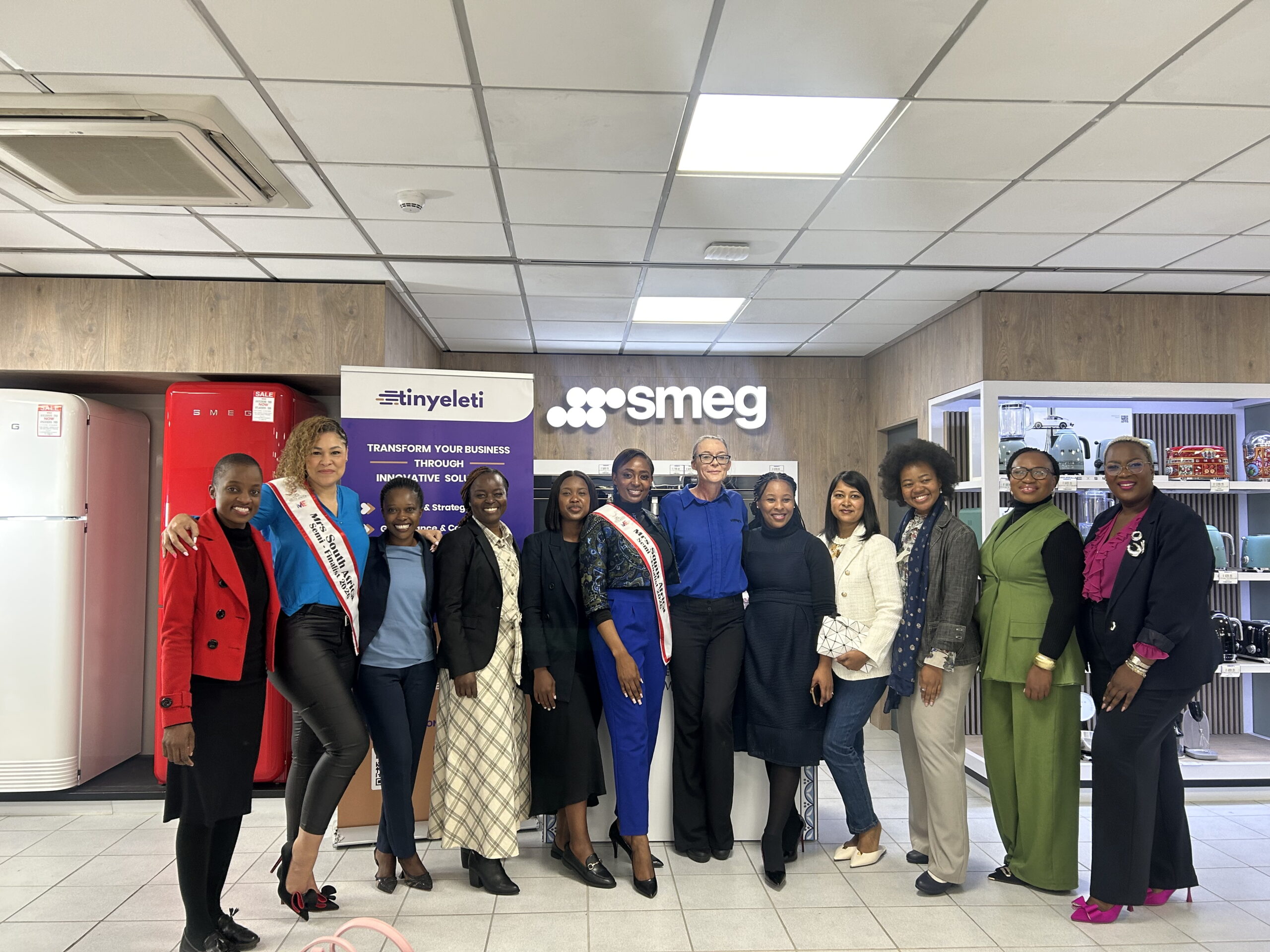
This was one of the central themes explored during the recent Money Mindset Shift discussion hosted by Khanyisa Phika and Yumna Dlamini, powered by Tinyeleti Consulting in partnership with Hirsch’s Homestores Hyde Park. While the event opened conversations around financial planning and wealth creation, the deeper message focused on how South Africans emotionally relate to money, survival, and long-term security.
“Often when we talk about retirement, people think it’s an old people thing, which is not the truth,” it was explained during the discussion. “People don’t want to deal with reality because when you understand how much money you actually need to retire comfortably, it becomes scary.”
That fear is becoming increasingly common in an economy where many households are already under pressure from rising food prices, debt repayments, school fees, and stagnant income growth. For many South Africans, retirement planning feels distant because daily survival takes priority.
Yet financial experts continue to warn that delaying retirement planning comes at a high cost. According to figures shared during the discussion, individuals may need to invest around 17% of their income over a 40-year working period to retire comfortably. Those approaching retirement age may need savings worth up to 12 times their annual salary to sustain their lifestyle after leaving the workforce.
The challenge, however, is not only mathematical. It is psychological.
“A lot of the mindset comes from how you see the world and how you relate to the world,” Yumna Dlamini said. “That informs the way you deal with money.”
Financial behaviour is often shaped long before a person earns their first salary. Growing up in financially unstable environments can create survival habits that remain present even when income improves later in life. Many people become extremely cautious with money because they associate spending with insecurity or fear.
“I was raised by my grandmother, who struggled with necessities her whole life,” the speaker, Yumna, shared. “So whatever money we had always went towards survival. Even now, I struggle to enjoy spending money because my mindset is still focused on necessity.”
That relationship with money often extends into adulthood, influencing everything from saving habits and debt management to lifestyle choices and business decisions.
The discussion also challenged status-driven spending and the pressure many people feel to appear financially successful.
“Why do we buy big houses we can’t sustain?” the speaker asked. “Sometimes it’s because of social status and how we want the world to see us.”
In a society increasingly shaped by social media, lifestyle culture, and visible wealth, financial decisions are often driven by perception rather than sustainability. The result is that many people prioritise appearance over long-term financial security.
At the same time, financial pressure within black households remains uniquely complex. One income frequently supports multiple people, including unemployed relatives, children, ageing parents, and extended family members. Financial planning, therefore, becomes less about individual wealth and more about collective survival.
This reality also affects how South Africans approach insurance and funeral cover. Many families allocate a significant portion of their monthly income to maintaining multiple funeral policies, while neglecting savings and investment opportunities that could generate long-term wealth.
“Sometimes we are just benefiting insurance companies,” Yumna warned. “You need to understand what you actually need and why you are paying for it.”
The conversation also highlighted the importance of investing early and understanding the long-term value of compound interest. One example discussed involved investing money for children from birth rather than spending excessively on temporary celebrations and luxury items.
“The sooner you start, the better,” the speaker explained. “Time is everything when it comes to investing.”
Beyond traditional retirement products, the discussion encouraged people to think more broadly about wealth creation. Property investment, rental income, agricultural land, and entrepreneurship were all presented as alternative ways of building financial security.
“Financial advisors will often sell products,” the speaker said. “But sometimes wealth is also about understanding opportunities around you.”
Entrepreneurship, however, comes with its own financial realities. Many business owners build companies based on passion while neglecting their personal financial planning. In many cases, the founder becomes the business itself, meaning income stops the moment operations slow down.
“You own a business based on passion, but you also have to think about sustainability,” the speaker noted. “You cannot only do it for the economy. You also have to do it for yourself.”

Ultimately, the broader message behind the discussion was not about becoming rich overnight. It was about becoming intentional, informed, and realistic about money.
Khanyisa Phika described the Money Mindset Shift movement as an effort to help people build healthier financial habits and understand the emotional behaviours attached to spending, saving, and wealth creation.
“We want people to understand their relationship with money and the habits that shape their financial future,” she said.
In an economy where financial stress has become a daily reality for many households, the conversation around money is no longer only about wealth accumulation. It is increasingly about stability, dignity, preparedness, and creating opportunities that extend beyond one generation.

