


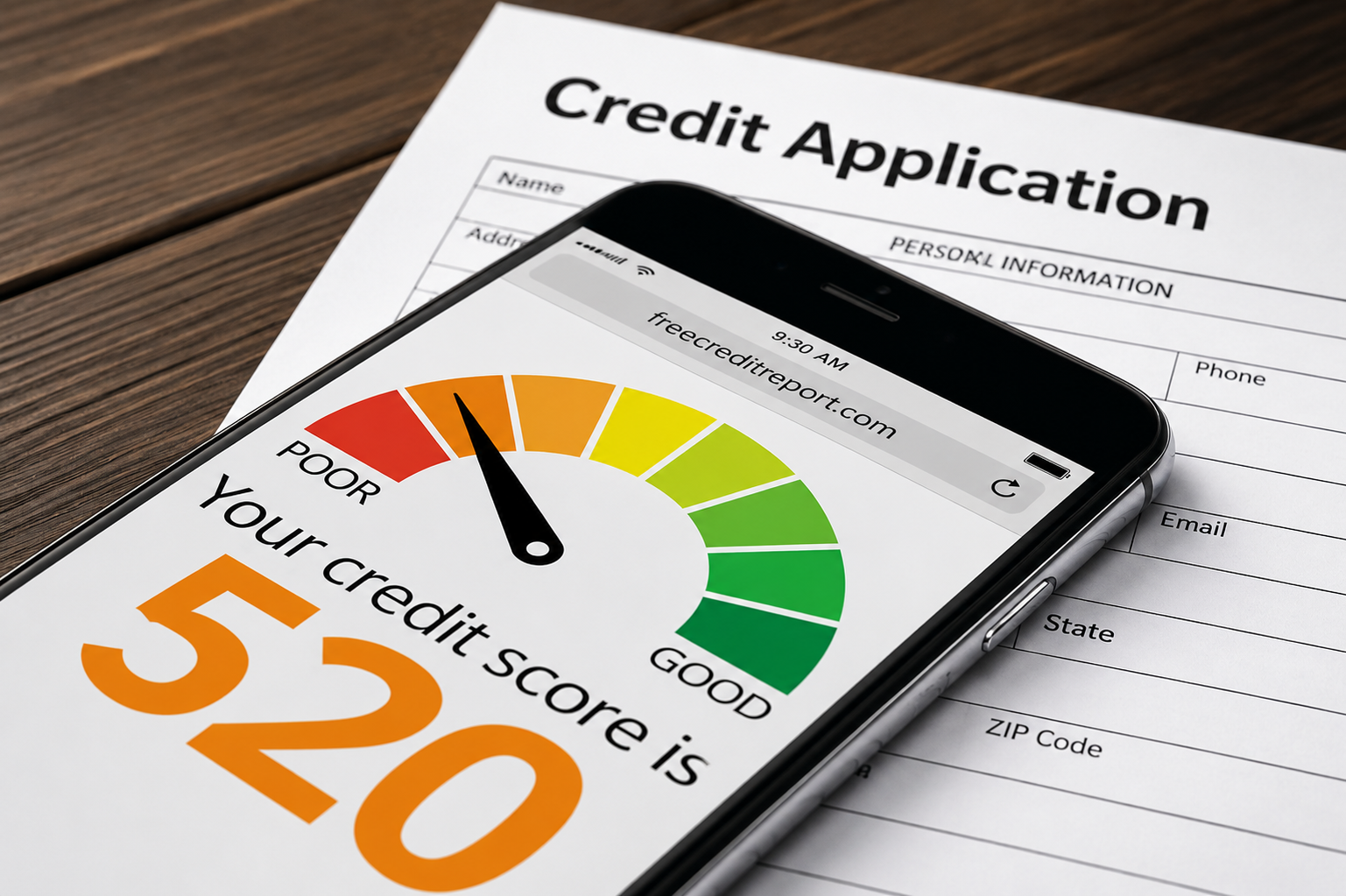

Whether you’re applying for vehicle finance, buying your first home, taking out a personal loan, or even signing up for a cellphone contract, your credit score can play a major role in the outcome.
Yet despite its importance, many South Africans don’t fully understand what a credit score is, how it works, or what lenders are actually looking at when they assess an application. For many people, the first time they think about their credit score is when they receive a rejection from a bank or finance provider.
In reality, your credit score is one of the most important indicators of your financial health. It can affect your ability to access credit, the interest rates you receive, and even the financial opportunities available to you in the future.
A credit score is a three-digit number that represents how responsibly you have managed credit in the past. Credit bureaus use information from your credit report to calculate this score. The information includes your payment history, current debt levels, credit applications, account balances, and the length of your credit history.
Every time you make a payment on a loan, credit card, retail account, or vehicle finance agreement, that information may contribute to your credit profile. Over time, these financial habits create a picture of how risky or reliable you appear to lenders.
In South Africa, lenders often rely on information from credit bureaus such as Experian, TransUnion, Compuscan, and XDS when assessing applications. While each lender may have its own approval criteria, your credit score remains one of the first things that is reviewed.
What Is Considered a Good Credit Score in South Africa?
According to ClearScore‘s Experian-based scoring model, credit scores generally fall into the following categories:
- Very Poor: 0–599
- Poor: 600–615
- Fair: 616–633
- Good: 634–657
- Excellent: 658–740
If your score falls within the good or excellent range, lenders are generally more likely to view you as a lower-risk borrower. This doesn’t automatically guarantee approval, but it can improve your chances significantly.
On the other hand, a poor credit score may make it more difficult to obtain finance. Some consumers may qualify for loans but face higher interest rates, while others may be declined altogether.
This is particularly important at a time when many South Africans are facing increased financial pressure from rising living costs, fuel prices, electricity tariffs and higher interest rates. In these conditions, maintaining a healthy credit profile can make a substantial difference when seeking financial assistance.
One of the most common misconceptions is that people who have never used credit automatically have a good credit score. Surprisingly, that is not always the case.
Lenders need information to assess risk. If you have never had a credit card, retail account, personal loan or other form of credit, there may be little or no information available to evaluate your borrowing behaviour. This is sometimes referred to as having a “thin credit file.”
While having no debt may seem financially responsible, lenders generally prefer to see evidence that a consumer has successfully managed credit over time.
Another misconception is that checking your own credit score will damage it. In reality, checking your own credit report or score does not negatively impact your credit rating. In fact, regularly reviewing your credit report is one of the smartest financial habits consumers can develop.
Monitoring your credit profile can help you identify mistakes, detect fraudulent activity, and understand which areas may be affecting your score.
How Can You Improve Your Credit Score?
Several factors can cause a credit score to decline. Late or missed payments are among the biggest contributors. Even a single missed payment can remain on your credit record and signal potential risk to lenders.
Applying for multiple loans or credit products within a short period can also negatively affect your score. When lenders see numerous credit applications in a short timeframe, it may indicate financial stress or an increased need for borrowing.
High credit card balances, over-utilised accounts, and defaults on debt can also damage your credit profile.
The good news is that credit scores are not permanent. Unlike many financial mistakes, a poor credit score can improve over time if you adopt responsible financial habits.
Paying accounts on time is one of the most effective ways to build a stronger score. Consistent repayments demonstrate reliability and help establish a positive credit history.
Reducing outstanding debt can also have a positive impact. Keeping credit card balances low and avoiding excessive borrowing shows lenders that you are managing your finances responsibly.
Consumers should also avoid applying for unnecessary credit. Every application creates a record on your credit file, and too many applications can raise concerns for lenders.
Building a strong credit score is often a gradual process rather than an overnight fix. It may take months or even years of responsible financial behaviour to move from a poor rating to a good or excellent one.
However, the long-term benefits can be substantial. A healthy credit score can improve your chances of securing vehicle finance, qualifying for a home loan, obtaining personal credit, and accessing more competitive interest rates.
For South Africans looking to strengthen their financial position, understanding and improving their credit score is one of the most important steps they can take. While a credit score is only one part of a lender’s decision-making process, it remains a powerful reflection of how you manage money.
In an increasingly credit-driven economy, knowing where your credit score stands and taking steps to improve it can help open the door to better financial opportunities when they matter most.

