

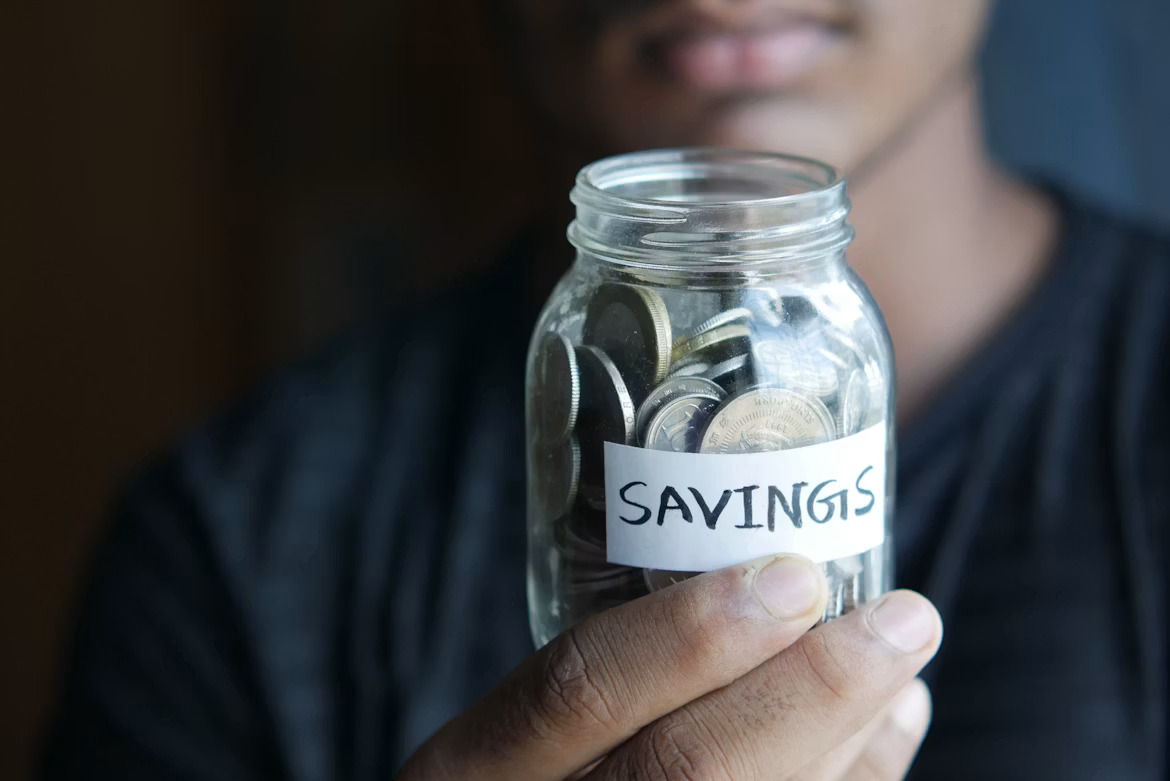

For many South Africans, payday comes with a difficult decision. Should you put money into a savings account in case of an emergency, or should you invest it to grow your wealth for the future?
With food prices, fuel costs and household bills continuing to stretch budgets, many people feel they simply cannot afford to do both. As a result, they often postpone one financial goal while focusing on the other or worse, do neither.
However, financial experts say this “either-or” approach could be holding people back. The key to long-term financial resilience isn’t choosing between saving and investing, it’s learning how to balance both in a way that suits your personal circumstances.
Although people often use the terms interchangeably, saving and investing have very different roles in a healthy financial plan. Saving is about protecting yourself against the unexpected. An emergency fund can help cover sudden expenses such as medical bills, vehicle repairs, or a temporary loss of income without forcing you to rely on credit.
Investing, on the other hand, is about building wealth over time. Whether you’re planning for retirement, your children’s education, or another long-term goal, investing allows your money to grow over the years.
Both are important, and neither should replace the other. Many South Africans delay investing because they want to build the “perfect” emergency fund first. Others focus only on investing and leave themselves with little cash available when an emergency arises.
Neither approach creates true financial security. If you have no emergency savings, you may be forced to use expensive debt or withdraw long-term investments at the wrong time when unexpected expenses arise. But if you never start investing, you could miss years of potential growth that comes from investing consistently over time.
Financial resilience comes from having money available for today’s emergencies while also preparing for tomorrow’s financial goals. National Savings Month is often seen as a reminder to cut spending and save more money. While those habits remain important, experts say the conversation should also focus on creating a balanced financial plan.
Instead of asking, “Should I save or invest?” the better question is, “How can I make room for both?” Even small monthly contributions can make a difference over time. The most important step is developing consistent financial habits rather than waiting until you earn more or your finances feel perfect.
There is no one-size-fits-all formula for balancing savings and investments.
Someone who has just started working may focus on building a small emergency fund while contributing modestly to a retirement or investment account. A family with children may need larger emergency savings because of higher monthly expenses. Someone nearing retirement may have completely different priorities.
Your income, age, debt, job security, financial responsibilities and future goals all influence the right balance. Rather than comparing yourself to others, create a plan that reflects your own financial reality.
Building financial resilience doesn’t happen overnight. Setting up automatic transfers into both a savings account and an investment account, even if the amounts are small, can help you stay consistent. As your income grows, you can gradually increase your contributions without dramatically changing your lifestyle.
Consistency is often more valuable than trying to save or invest large amounts only occasionally. Managing money can feel overwhelming, especially when you’re balancing debt, household expenses and long-term financial goals.
Speaking to a qualified financial adviser can help you understand how much should be allocated to emergency savings, investments and other priorities based on your personal circumstances. A tailored financial plan can also help you stay on track when economic conditions change.
For many South Africans, financial pressure has turned saving and investing into a choice between today’s needs and tomorrow’s dreams. But the reality is that lasting financial resilience isn’t built by choosing one over the other.
This National Savings Month, focus on creating a balanced financial plan that protects you from life’s unexpected challenges while giving your future wealth the opportunity to grow. Even if you start small, combining savings with long-term investing can put you on a stronger financial path and help you build greater confidence about your financial future.

