


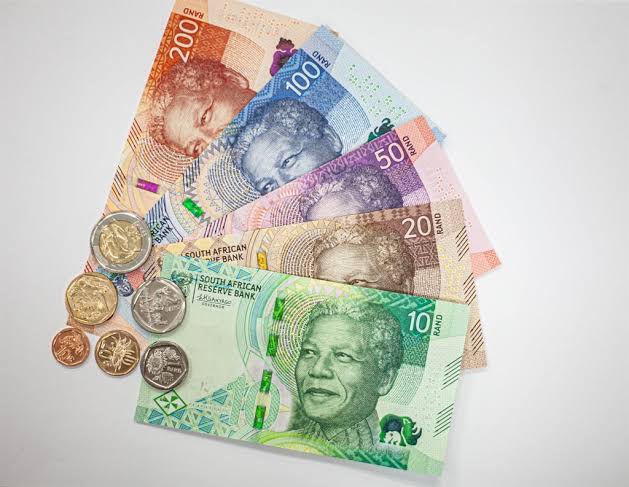

Ask most South Africans what a “clipper“ is, and they’ll tell you it’s a R100 note. The nickname dates back decades, when R100 was often made up of ten R10 notes held together with a paper clip. Today, the R100 note carries another symbol that deserves just as much attention: the Cape buffalo.
According to Brett Caminsky, Director at Atlas Finance, the buffalo offers a surprisingly powerful lesson about saving and the power of compound interest.
“On its own, a buffalo doesn’t look particularly remarkable. But over time, buffalo build herds. Their strength comes from steady growth, not overnight transformation. Saving works in much the same way,” he says.
This National Savings Month, Caminsky encourages South Africans to stop asking whether they can save thousands and instead ask a simpler question:
What could one R100 note become if you stopped spending it every month?
The answer may be surprising he says.
-
Every herd starts with one buffalo
Saving R100 a month doesn’t sound impressive. It’s roughly the cost of takeaway burger and cold drink, a coffee or extra mobile data. Because it feels insignificant, many people convince themselves it isn’t worth saving.
The biggest barrier isn’t usually income, it’s believing that small amounts don’t matter. The hardest part of building wealth isn’t finding a large sum of money. It’s developing the habit of saving consistently.
-
Time does the heavy lifting
Assuming an average annual investment return of 10%, here’s what one R100 “clipper” invested every month could grow into:
- After 5 years: approximately R7,700
- After 10 years: approximately R20,500
- After 20 years: approximately R76,000
- After 30 years: approximately R226,000
Over those 30 years, you would have contributed only R36,000 yourself.
The remaining R190,000 comes from one of the most powerful forces in finance, compound growth or compound interest which means your money earns money and over time those earnings start earning money too.
-
Your money eventually works harder than you do
Compound growth doesn’t feel exciting in the beginning. In the first few years, growth appears slow, which is why many people stop saving before they experience its real benefits. But somewhere along the journey, your money starts earning returns on previous returns. Around the halfway mark, the growth on your investment can exceed what you’ve contributed. That’s when compound interest really begins to work in your favour.
-
Starting early matters more than saving more
Many people believe they’ll start saving once they earn more. Unfortunately, time is often worth more than a bigger monthly contribution. One of the biggest misconceptions is that you need a lot of money to start investing. In reality, someone who starts saving a modest amount early can often accumulate more wealth than someone who waits and contributes much larger amounts later.
-
Don’t underestimate your ‘clipper’
We are often told to save more, but for many South Africans that’s simply not realistic. The better message is to start with what you have. R100 may feel insignificant today, but given enough time, compound growth can turn that single note into something far more valuable. Wealth isn’t built through perfect timing or large windfalls. It’s built through consistency.
-
Give your buffalo a chance to grow
This National Savings Month, think differently about your next R100 note. Instead of seeing something that disappears on impulse purchases, see the first buffalo in your herd.
Leave it invested. Then add another next month. And another.
“Don’t underestimate what small, consistent actions can achieve. Wealth rarely arrives all at once but grows quietly, one buffalo at a time,” Caminsky concludes.
Figures are illustrative and assume R100 invested monthly at an average annual return of 10%, compounded monthly, before fees, tax and inflation. Investment returns are not guaranteed. Atlas Finance encourages consumers to seek advice from a registered financial adviser before making investment decisions.

