


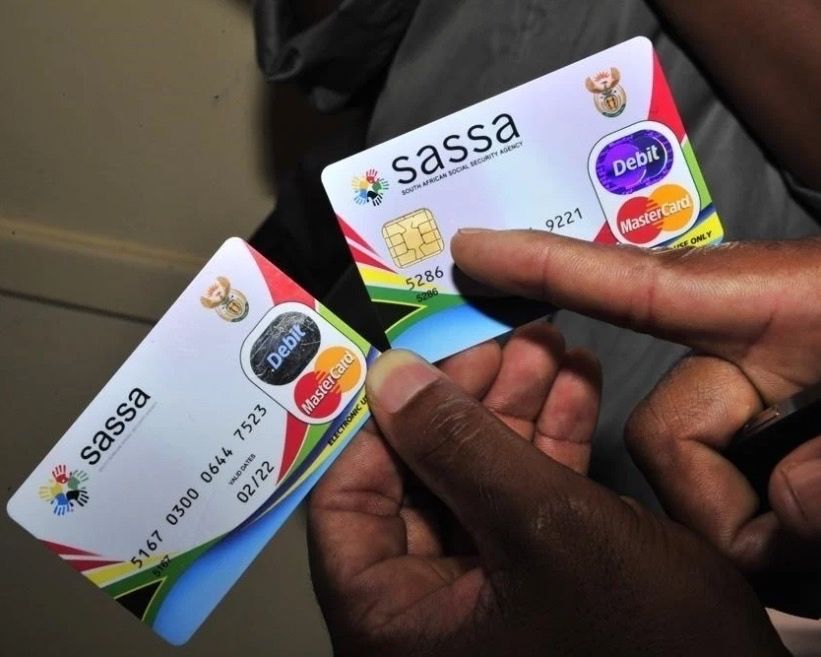

For many South Africans, the first week of every month revolves around one important date – payday from the South African Social Security Agency (SASSA). Whether it’s buying groceries, paying school transport or keeping the lights on, millions of households depend on social grants to make ends meet.
That is why news that SASSA plans to review more than 350,000 social grants during the 2026/27 financial year has raised concerns among beneficiaries across the country. While some fear they could lose their grants, the government says the review process is not intended to remove qualifying beneficiaries, but rather to ensure that the country’s social assistance system remains fair, accurate and sustainable.
The Department of Social Development says the reviews form part of its ongoing efforts to verify that grant recipients still meet the qualifying criteria set out in the Social Assistance Act. People’s financial circumstances can change over time. Some beneficiaries may have found employment, their household income may have increased, or their personal circumstances may have changed. Regular reviews are therefore a normal part of managing one of the largest social protection systems in Africa.
South Africa currently pays social grants to nearly 19 million people every month. This includes older persons, people living with disabilities, children and foster care beneficiaries. With billions of rand allocated to social grants every year, government says it has a responsibility to ensure that every payment reaches someone who genuinely qualifies.
The review programme is also expected to save government around R1.5 billion by identifying grants that are no longer eligible for payment and reducing fraud within the system. Officials believe those savings can be redirected to other essential public services while helping to protect the long-term sustainability of South Africa’s social grant programme.
Being selected for a review does not automatically mean a beneficiary has done something wrong or that their grant has been cancelled. Instead, SASSA will ask selected beneficiaries to confirm that they still qualify by updating their personal information and providing supporting documents where necessary.
For many people, however, the biggest concern is not the review itself but the long queues that often accompany visits to SASSA offices. Across the country, beneficiaries regularly spend hours waiting outside branches, particularly during payment weeks. In response, government says it is introducing several measures aimed at making the process easier and reducing waiting times.
Among the changes is the introduction of a fourth monthly payment day specifically for beneficiaries whose grants are undergoing review or who are required to complete eLife certification. Instead of collecting their grants over the usual three-day payment cycle, affected beneficiaries will receive payment on the additional day once the necessary verification processes have been completed.
For August, Older Persons Grants will be paid on 4 August, Disability Grants on 5 August and Children’s Grants on 6 August. Beneficiaries whose grants have been flagged for review are expected to receive payment on 7 August.
Government also plans to recruit more than 1,000 additional contract workers to assist with the increased workload at SASSA offices. Operating hours at some offices will be extended, while home visits will continue for elderly beneficiaries over the age of 75 and others who are too frail or ill to travel. The agency is also expanding its use of biometric verification technology, working with the Department of Home Affairs to strengthen identity checks and reduce fraudulent claims.
One of the biggest reasons beneficiaries experience problems during reviews is outdated contact information. Many people change cellphone numbers without informing SASSA, meaning they miss important SMS notifications requesting them to attend a review. Officials are encouraging beneficiaries to ensure that their contact details are always up to date and to respond promptly if they are contacted by the agency.
Consumer organisations have also urged beneficiaries not to panic if they receive a review notice. A review is simply a verification process and does not automatically result in the suspension or cancellation of a grant. However, failing to respond or ignoring official communication from SASSA could lead to payment delays while eligibility is confirmed.
As the cost of living continues to rise and many households rely heavily on social grants, the review process is likely to attract close attention in the coming months. For those receiving grants, the most important message is simple: if SASSA contacts you, don’t ignore it. Keeping your details up to date and responding to review requests as quickly as possible will help ensure that your grant continues without unnecessary interruptions.
For millions of South Africans, a social grant is more than just financial assistance; it is a lifeline. Government says these reviews are about protecting that lifeline by making sure it reaches the people who need it most, while safeguarding public funds for future generations.

