


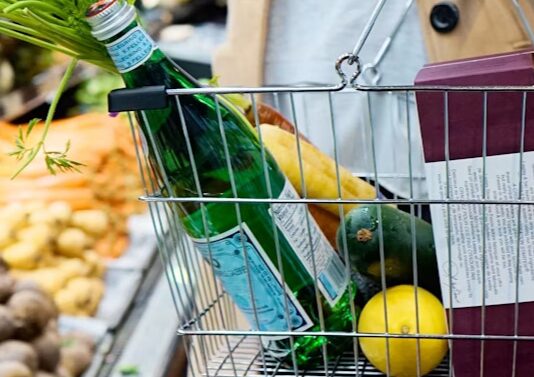

If your monthly grocery shop is costing more or you’ve noticed you’re spending extra at the petrol station, you’re not alone. The latest inflation figures show that the cost of living continues to rise for South Africans.
Statistics South Africa (Stats SA) announced that the country’s annual consumer inflation rate increased to 5.0% in June 2026, up from 4.5% in May. This is the highest inflation rate recorded in two years and was higher than many economists had expected.
While inflation remains within the South African Reserve Bank’s target range of 3% to 6%, the latest figures highlight the increasing pressure on household budgets as prices continue to rise across several essential categories.
According to Stats SA, the biggest contributors to June’s inflation were transport, food, housing and miscellaneous goods and services, with higher fuel prices playing a major role.
Here’s where prices increased the most:
- Transport: 7.3% – Higher petrol and diesel prices pushed up transport costs, making it more expensive to commute and transport goods across the country.
- Miscellaneous goods and services: 6.8% – This category includes insurance premiums, personal care products and financial services.
- Food and non-alcoholic beverages: 6.2% – Rising food prices continue to put pressure on household grocery budgets.
- Alcoholic beverages and tobacco: 4.7%
- Restaurants and accommodation: 4.6%
- Housing and utilities: 4.5% – Covering rent, electricity, water and municipal services.
- Education: 4.4%
- Health: 4.3%
- Household contents, equipment and maintenance: 2.8%
- Recreation and culture: 2.2%
- Clothing and footwear: 1.6%
- Communication: -0.2%, making it the only category to record an annual decline.
Many South Africans will already have noticed higher prices at supermarkets, and the latest data shows several household staples became significantly more expensive over the past year.
The biggest increases were recorded for:
- Pork: 13.9%
- Sausages: 11.8%
- Corned meat: 10.2%
- Bacon: 8.6%
- Mutton and lamb: 8.4%
- Black tea (Ceylon): 8.3%
- Instant coffee: 7.0%
- Tomatoes: Among the vegetables recording the sharpest price increases.
- Hake: Prices also increased over the past year.
The increase in fuel prices has also added to food inflation, as transporting fresh produce and other goods has become more expensive.
Not every product became more expensive. Stats SA’s latest data shows several staple foods actually became cheaper over the past year, helping offset some of the increases elsewhere.
Items that recorded price decreases include:
- White rice: -13.4%
- Maize meal: -5.9%
- Samp: -1.5%
- Porridge: -1.3%
- Potatoes
- Beetroot
- Dried beans
- Some seasonal fruit
Although inflation is still within the Reserve Bank’s target range, the latest figures show that many households continue to face rising costs for essentials such as transport, groceries, electricity, insurance and municipal services.
For consumers, this means careful budgeting remains more important than ever. Shopping around for specials, planning meals, reducing unnecessary travel and reviewing monthly expenses can all help ease the impact of higher prices.
The June inflation figures also give the South African Reserve Bank more to consider ahead of its next interest rate decision. If inflation remains elevated in the coming months, borrowing costs could remain higher for longer.
For now, however, the latest inflation data confirms what many South Africans are already experiencing: everyday essentials continue to cost more, putting additional pressure on household finances.

